






























Elon Musk Says AI and Robotics Could Reduce U.S. Debt Pressure
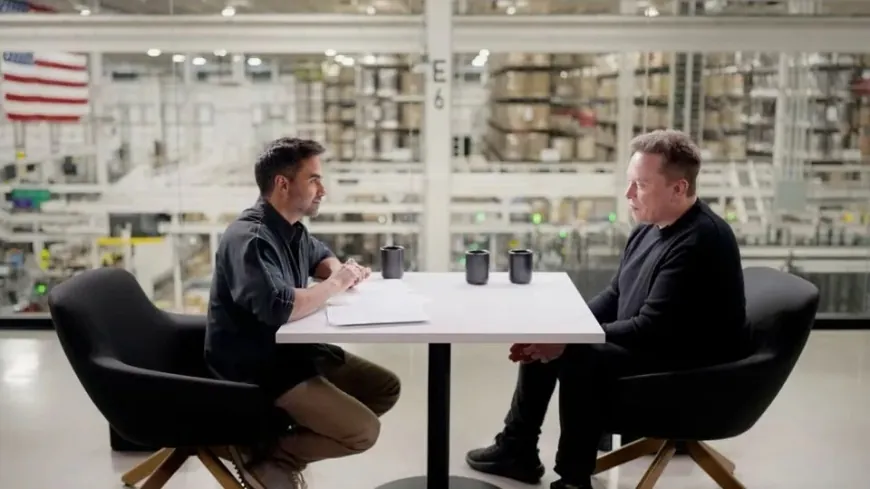
Elon Musk said in a podcast interview with Nikhil Kamath that AI and robotics can reduce U.S. production costs, while federal interest payments now exceed $850 billion a year.
Key Highlights — Musk x Kamath Podcast
Interest payments on U.S. debt exceed $850B yearly, now larger than defense spending.
Automation lowers production expense and supports growth without higher consumer prices.
Three years projected for AI systems to show measurable productivity impact.
Most AI tools remain in early deployment, so productivity data has not shifted yet.
AI and robotics expected to replace labor-heavy tasks across high-cost sectors.
Elon Musk says artificial intelligence and robotics could help the United States deal with its growing debt load. The national debt recently moved past $38 trillion, and interest costs have become one of the largest annual expenses in the federal budget.
Speaking in an interview released Sunday with investor Nikhil Kamath, Musk said smarter automated systems could lower the cost of production across major industries. In his view, automation can raise overall output without pushing prices higher, which strengthens tax collections and supports economic growth.
“The only thing that can solve for the debt situation is AI and robotics,” Musk said during the interview. He added that lower costs driven by automation would increase the availability of goods and services, reducing the need for debt-funded government support.
Musk described a short timeline for noticeable results. “We’re not there yet,” he said. “But… how long would it take us to get there? I think it’s three years.”
Out now @elonmusk pic.twitter.com/dQVLniUgWA— Nikhil Kamath (@nikhilkamathcio) November 30, 2025
Federal budget data shows why the issue is gaining urgency. The Treasury paid more than $850 billion in interest in the last fiscal year — more than the government spent on defense, Medicare or Social Security benefits. As older Treasury bonds come due and are refinanced at current interest rates, those payments are expected to increase again.
U.S. companies have already directed billions of dollars into AI development, from logistics automation and chip design to manufacturing systems that replace manual labor. Many of these projects have helped reduce delays and waste in supply chains, but the full effects have not yet shown up in national productivity numbers.
A recent assessment from the Penn Wharton Budget Model projects that the economic effects tied to automation will appear gradually. Their estimates show more noticeable productivity gains in the early 2030s if adoption continues.
The United States is carrying the highest interest expense in its history, and those costs are still climbing as old debt is refinanced. Musk’s argument places automation inside a discussion that typically focuses only on taxes and spending cuts. The speed at which AI becomes a standard part of production will determine whether technology plays any meaningful role in future debt pressure.
Also Read: Elon Musk Says Tesla’s Optimus Could ‘Eliminate Poverty’ After Record $1 Trillion Pay Approval