




























How a Supreme Court decision on tariffs may give Costco and other importers money back
Costco and other importers have filed claims asking the Supreme Court to rule Trump tariffs unlawful; a ruling for challengers would open refunds on billions in duties.
Key Points
The Supreme Court is reviewing the legality of former President Donald Trump’s global tariffs, and large U.S. companies are positioning themselves for what could become one of the biggest refund events in recent trade history. Roughly $88 billion in duties collected through October could be returned to importers if the court strikes down the tariffs, based on data from Customs and Border Protection (CBP).
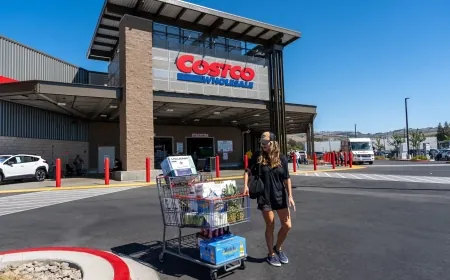
Retailers, manufacturers, and consumer-goods companies have begun filing challenges to preserve their right to reimbursement. Among the most prominent is Costco, which relies heavily on imported merchandise and could receive a substantial payout if the court invalidates the duties.
How the Court Handled a Similar Refund in 1998
In 1998, the Supreme Court struck down a federal harbor maintenance tax that applied to exports. Companies including Chevron argued that the tax violated the Constitution’s ban on export duties. After the ruling, the government had to return roughly $750 million to thousands of businesses.
The process looked like this:
-
Exporters filed claims showing the duties they had paid during the previous five years.
-
Payments were eventually sent, but the distribution took almost two years to complete.
-
In 2000, a second Supreme Court decision widened eligibility, allowing refunds for duties paid back to 1987, when the tax was created.
Trade policy analyst Jacob Jensen noted that the federal government already has the systems needed to issue repayments when required. He said that if the Court overturns the Trump-era tariffs, a refund effort of similar scale would be manageable.
Why Importers Are Filing Claims Now
Under customs rules, CBP finalizes duty assessments about 10 months after goods arrive in the United States. Once that assessment becomes final, companies have six months to challenge the amount. After that point, recovering money becomes far more complicated unless a court forces the government to issue refunds.
The first round of Trump-era tariffs on Chinese goods began in February, followed by broader duties in April. With those timelines, many importers are nearing the end of their challenge window. Companies that do not file before the deadline risk losing their chance to reclaim duties if the tariffs are later ruled unlawful.
Costco has already filed its challenge. Several other firms — including Revlon, EssilorLuxottica (the parent of Ray-Ban), Kawasaki Motors, and BumbleBee Foods — have done the same to preserve their claims.
Tim Meyer, a trade law professor at Duke University, said the growing number of filings shows that companies do not expect the federal government to run a smooth refund process on its own. Businesses are turning to the courts because they want a clear record of their claims before the deadlines pass.
How Much Money Costco Could Get Back
Costco told investors that roughly one-third of its sales come from imported products, meaning the company paid a large share of the Trump-era duties. Because of that, trade analysts expect Costco to be one of the biggest beneficiaries if refunds are issued.
Peter Harrell, a trade specialist at Georgetown Law, estimated that Costco’s refund could reach about $1 billion, depending on how the Supreme Court rules and how the government handles repayment claims.
Trump Reaffirms Support for Tariffs
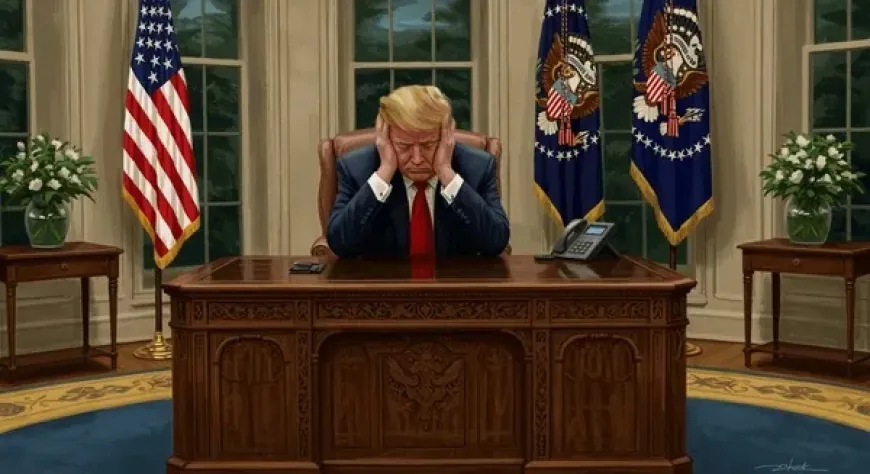
Trump has continued to defend his tariff approach while the Supreme Court reviews the challenges. Speaking at a White House event on Monday, he said he was waiting for the ruling and hoped the outcome would support his position.
Later the same day, he said he was considering a 5% tariff on Mexico, accusing the country of failing to meet a water agreement. The remarks show that tariffs remain central to his trade stance.
Importers Prepare in Case Refunds Are Approved
Importers nationwide are gathering records and filing claims so they are ready if the Supreme Court rejects the tariffs. Should the duties be struck down, companies will need to follow the refund steps set by CBP, a process that could take considerable time based on earlier cases.
For businesses that rely heavily on imported goods, the sums involved are too large to ignore. By filing now, companies such as Costco are making sure they keep the right to recover the duties they paid if refunds are eventually permitted.
Also Read: Costco Takes U.S. Government to Court Over Trump Tariff Refund Dispute