Yen Heads for Biggest Gain in a Month as Investors Seek Safety
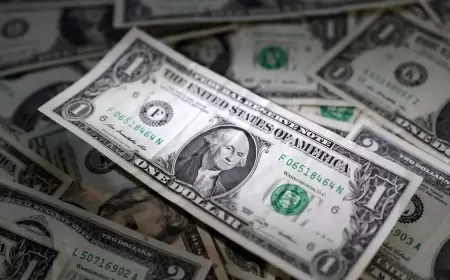
The yen rose 0.5% to 157.33 per dollar on Oct. 22, 2026, on track for its best day in nearly a month, as oil, AI doubts and French debt worries hit markets.
The Japanese yen was on track for its strongest daily gain in almost a month on Thursday, October 22, 2026, as investors moved into traditional safe-haven assets amid weak equity markets, elevated crude oil prices and doubts over future returns from artificial intelligence, Reuters reported. The U.S. dollar, meanwhile, gained against the euro as concerns over France's public finances weighed on the single currency.
Yen firms to 157.33 per dollar
The yen strengthened 0.51% to 157.33 per dollar by mid-morning in New York, according to Reuters. The Swiss franc, another traditional haven, was little changed at 0.824 per dollar. Earlier, during Asian trading, the dollar had traded in a range of roughly 156.82 to 158.25 yen, Capital Street FX data showed.
"AI is making people nervous, as is oil ... and as is France, and obviously we have a slight degree of risk aversion in the market," Chris Scicluna, head of economic research at Daiwa Capital Markets, told Reuters.
Brent crude rose to its highest level since May after further Houthi attacks in Saudi Arabia raised fears of a wider conflict in the Middle East and more disruption to oil supplies, Reuters said.
Bank of Japan and intervention in focus
The Bank of Japan holds its next policy meeting on October 29-30, following the Federal Reserve's decision on October 28. BOJ Governor Kazuo Ueda said earlier this week that underlying inflation is quite close to the central bank's 2% target, which traders read as leaving room for another rate increase as soon as December, FXStreet reported. People familiar with the matter have said BOJ officials are leaning against a back-to-back rate increase this month, according to the same report.
Japanese authorities have also stepped into the currency market this year. Tokyo bought a record ¥11.73 trillion of yen between April and May and intervened again in July together with the U.S. Treasury, Capital Street FX noted.
Euro slips as French bond spread widens
The euro fell 0.3% to $1.1198, Reuters reported. FXStreet said the pair had reached an intraday high of 1.1256 earlier in the session before reversing as the dollar recovered from a three-week low.
The gap between French and German 10-year government bond yields reached 177.7 basis points on Thursday, the widest since 2011, according to Reuters. FXStreet said the French 10-year yield has risen above 5% for the first time since 2002 amid concerns about the country's ability to repair its public finances and ongoing street protests. French President Emmanuel Macron vowed on Wednesday to prevent a repeat of last weekend's violence at protests planned in the coming days, Reuters reported.
"As long as France is more of a concern than US AI credits, then you're going to see the euro underperform," Erik Nelson, global head of FX strategy at Wells Fargo, told Reuters.
Separate data showed the euro zone's preliminary consumer confidence indicator fell to -17.9 in October from -16.5, weaker than the -17 economists had expected, FXStreet reported.
Dollar index edges higher
The dollar index, which measures the U.S. currency against six major peers, rose 0.14% to 101.82, Reuters said. FXStreet reported that the index had touched an intraday low of 101.45. The benchmark 10-year U.S. Treasury yield traded around 5.06%, down from a high of 5.36% earlier this month, according to FXStreet.
Elsewhere, sterling weakened 0.18% to $1.337 and the Australian dollar fell 0.21% to $0.7012, according to Reuters. Sterling had touched a one-month high of $1.3409 earlier in the week after U.K. consumer price inflation reached 3.5% in September, Capital Street FX said.
Central bank decisions ahead
Traders widely expect both the Federal Reserve and the European Central Bank to leave interest rates unchanged at their October meetings, though expectations for further increases by year-end remain because of energy-driven inflation risks, FXStreet reported. The Bank of Canada, which has a policy rate of 2.25%, announces its decision on October 28, and the ECB on October 29. The Bank of England's next decision is due November 5, according to Capital Street FX.
What's Your Reaction?
 Like
0
 Dislike
0
 Love
0
 Funny
0
 Wow
0
 Sad
0
 Angry
0

Curated by iShook Opinion and guided by Founder and CEO Beni E Rachmanov. Dive into valuable financial insights at ishookfinance.com for expert articles and latest news on finance.














Comments (0)