

































U.S. consumer confidence falls to 81.9 in September as fuel costs and rate fears rise
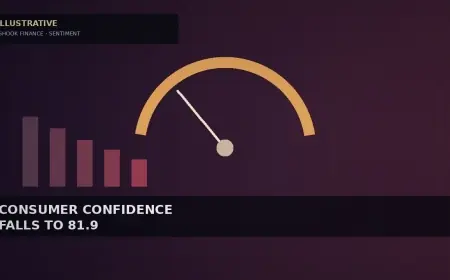
U.S. consumer confidence fell to 81.9 in September as households cited higher fuel costs, rising rate expectations and softer views of jobs and business conditions.

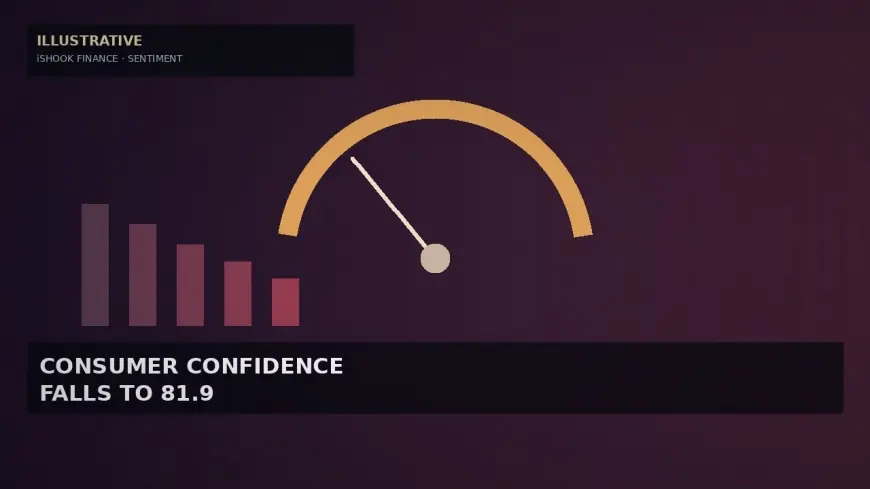
U.S. consumer confidence deteriorated sharply in September, according to The Conference Board, as households cited higher fuel costs, rising interest-rate expectations, and softer views of business and labor conditions.
The Conference Board Consumer Confidence Index fell 6.7 points to 81.9 (1985=100) in September from a downwardly referenced August reading of 88.6, the organization said in a release distributed via PR Newswire on Sept. 29, 2026 at 10:00 ET. The Present Situation Index, which reflects assessments of current business and labor-market conditions, dropped 7.9 points to 109.3. The Expectations Index, based on the short-term outlook for income, business, and labor-market conditions, fell 5.9 points to 63.6—its third consecutive monthly decline.
The survey window for the preliminary September results ran from Sept. 1 through Sept. 23, a period that included a federal funds rate increase and ongoing geopolitical tensions, the Conference Board noted.
“The Consumer Confidence Index deteriorated notably in September, following two prior months of softening,” said Dana M. Peterson, chief economist at The Conference Board. “The Present Situation Index fell sharply, while the Expectations Index slipped further into negative territory. Consumer appraisals of current business conditions became negative for the first time since September 2024. Perceptions of the current labor market also worsened, though remained within positive territory.”
Peterson said write-in responses were mostly pessimistic, with references to prices, the high cost of goods and services, and oil and gasoline prices rising to new heights amid September’s surge in fuel costs. Comments about war and conflict eased but stayed elevated; politics, trade, and employment were also frequently cited.
On present conditions, net views of current business conditions—the share saying conditions are “good” versus “bad”—declined 3.4 percentage points to −1.9%. The labor-market differential—the share saying jobs are “plentiful” minus the share saying jobs are “hard to get”—retreated 2.5 percentage points to +1.7%. Looking six months ahead, net expectations for business conditions dipped 3.2 percentage points to −9.5%, and net labor-market expectations declined 3.1 percentage points to −14.4%. Net expectations for household income fell 3.0 percentage points but remained positive at +2.5%.
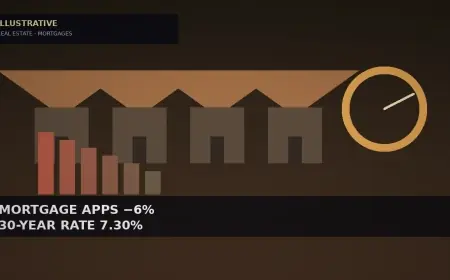
Inflation and rate expectations also hardened. Consumers’ average 12-month inflation expectation rose 0.3 percentage point to 6.1%, while the median rose 0.3 percentage point to 5.1%. The share of consumers anticipating higher interest rates over the next 12 months jumped 5.2 percentage points to 68.4%. Optimism that stock prices would rise over the next year moderated, though a majority still expected gains.
The Conference Board also reported that net views of families’ current financial situation turned negative in September for only the second time since that question was introduced four years ago. Plans to purchase autos and homes declined slightly on a six-month moving-average basis, and expected spending on many discretionary services moderated, though vacation plans held up, with 42.6% of consumers planning a vacation in the next six months.
Secondary coverage, including CNBC, linked the print to escalating concerns about prices and jobs. This article reports the Conference Board’s survey results and does not offer personalized investment advice.