
Costco and Other Importers Sue Trump Administration to Recover Tariff Payments
Costco and several U.S. manufacturers have filed suit against the Trump administration seeking refunds on tariffs that raised operating costs and forced pricing and staffing changes.
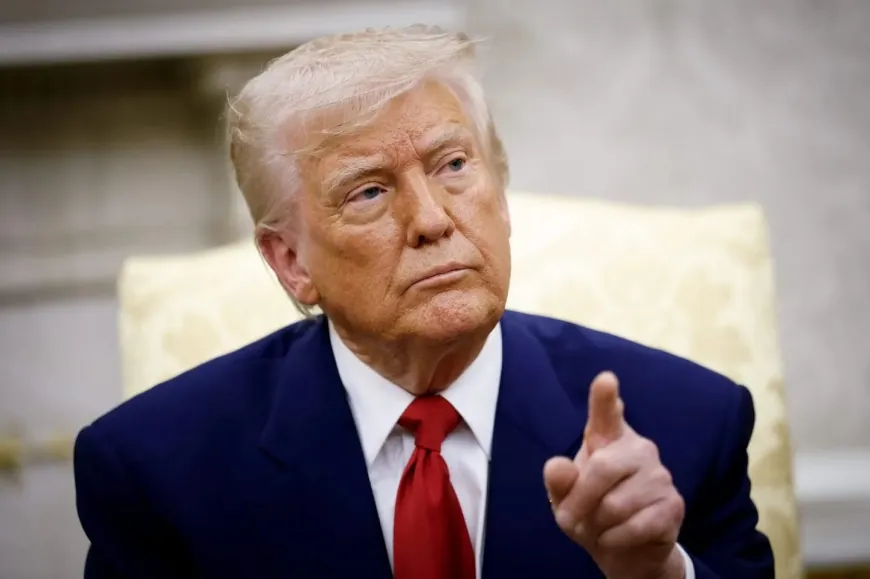
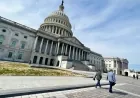
The U.S. Supreme Court is reviewing whether the federal government used the correct legal authority when it imposed tariffs on a wide range of imported goods. The ruling will determine if companies that paid the duties can recover years of higher import expenses that influenced pricing, hiring, production planning, and investment decisions.
Retailers seek to protect refund eligibility before ruling
Costco has filed a lawsuit to ensure it receives a full refund if the Court decides the tariffs were imposed without proper authorization. Court filings show similar lawsuits from Bumble Bee Foods, EssilorLuxottica, Kawasaki Motors, Revlon, and Yokohama Tire, reflecting a broad mix of industries: food, eyewear, machinery, cosmetics, and automotive parts.
The Justice Department has stated that businesses would likely be owed refunds if the tariffs are ruled unlawful. Treasury officials have said a repayment could involve about half of the total tariffs collected under the disputed program — representing billions of dollars.
Companies are filing lawsuits now because they do not know whether refunds will apply only to firms that have challenged the tariffs in court. Importers say they are acting early to protect their claims before the Supreme Court issues a decision.
Sharp tariff swings created immediate operational strain
Los Angeles-based Greenbar Distillery imports key ingredients that cannot be sourced in the U.S., including juniper berries and several spices. In 2025, its tariff rates shifted repeatedly:
| Period | Tariff rate |
|---|---|
| Beginning of year | 25% |
| Midyear peak | 170% |
| Current level | 55% |
Co-founder Melkon Khosrovian expects tariff costs this year to reach $75,000–$125,000, compared with $25,000–$50,000 in earlier years. The unpredictable increases forced the company to import automated bottling equipment and begin preparing for staff cuts among its 15 employees to avoid pushing prices beyond what customers will accept.
“We reviewed every expense. The tariffs still changed the numbers too quickly,” Khosrovian said.
Higher import bills erased profits for mid-sized manufacturers
In North Carolina, Thompson Traders makes handcrafted kitchen fixtures and cannot shift production to the U.S. without losing the craftsmanship customers expect. President Clifford Thompson said this year’s tariff obligations will exceed $1 million, enough to eliminate the company’s expected profit.
The firm has taken on short-term debt and made measured price increases as a result.
“We can manage this because we’ve been in business for decades,” Thompson said. “Startups and newer producers do not have that margin for error.”
Businesses brace for prolonged policy shifts
Both companies are members of We Pay the Tariffs, a coalition that represents import-dependent industries, including consumer goods, electronics, and specialty manufacturing. The coalition has asked the Supreme Court to uphold lower-court opinions that raised legal concerns about how the tariffs were enacted.
Even if refunds are granted, executives say the money will be handled cautiously. Hiring or expansion decisions would depend on whether tariff policy becomes more predictable. Industry advisers note that other trade statutes could be used to reinstate similar duties.
“Companies are planning as if tariffs will remain part of the operating environment,” said strategist Drew DeLong.
Price changes depend on each firm’s cost exposure
Tariff-related costs have been absorbed in different ways:
-
Some firms raised prices and would need time to re-adjust contracts
-
Others borrowed to protect prices and may prioritize debt reduction first
-
Companies tied to specialized international suppliers face limited alternatives
As a result, consumer prices are unlikely to shift uniformly even if the Court rules against the tariffs.
Retailers say a ruling that clarifies the rules and refund process would allow them to make long-term decisions instead of reacting to sudden cost changes.
Also Read: Costco Takes U.S. Government to Court Over Trump Tariff Refund Dispute
What's Your Reaction?
 Like
0
Like
0
 Dislike
0
Dislike
0
 Love
0
Love
0
 Funny
0
Funny
0
 Wow
0
Wow
0
 Sad
0
Sad
0
 Angry
0
Angry
0

Curated by iShook Opinion and guided by Founder and CEO Beni E Rachmanov. Dive into valuable financial insights at ishookfinance.com for expert articles and latest news on finance.











Comments (0)