Hollywood Workers Question Netflix’s Warner Bros. Purchase
Hollywood is assessing Netflix’s agreement to acquire Warner Bros. and how the change in ownership could alter production levels and film release plans.
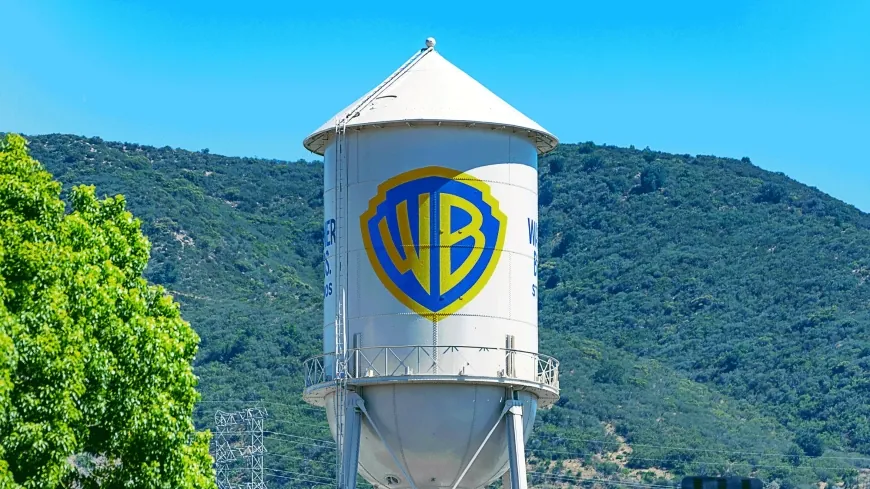
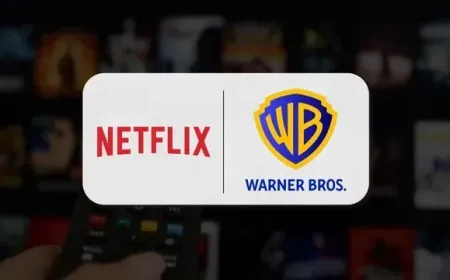
Netflix has reached an agreement to buy Warner Bros. for $82.7 billion. The acquisition would include Warner Bros.’ film and TV studios and HBO’s streaming services. The company’s cable networks would be separated before the sale is completed.
Warner Bros. remains one of the most active producers in U.S. entertainment. Its film divisions support large crews, and HBO develops many writer-led dramas. Because of that role, unions are asking regulators to carefully review how the sale might affect jobs and production levels.
The Writers Guild of America said the merger could leave fewer buyers for scripts and fewer television series going into production each year. The union argued that the deal would likely reduce employment across writing, acting, and production departments. Other labor groups raised similar concerns and asked the government to examine effects on working conditions.
Netflix was not the only company seeking a purchase. Paramount and Comcast also made offers. Paramount wanted the entire business, including linear television networks, but Warner Bros. selected Netflix’s proposal instead. Paramount disputed the fairness of the process before being removed from further negotiations.
If regulators approve the deal, Netflix would gain control of major franchises, a large content library, and a steady pipeline of projects already underway at Warner Bros. It would also gain revenue from licensing shows to other networks, something Netflix has not traditionally done.
Government officials are reviewing how the acquisition might affect subscription pricing and access to programming. Senator Elizabeth Warren said the combination could give Netflix too much influence over the streaming market. The review will also consider whether media consolidation leaves workers and independent producers with fewer options.
If the U.S. blocks the deal, Netflix must pay Warner Bros. a termination fee of $5.8 billion under the current contract terms.
One point of close attention in Hollywood is film distribution. Warner Bros. has seen strong ticket sales this year from major theatrical releases. Netflix’s releases generally spend only a short period in theaters before being available online. Filmmakers and theaters want clear decisions on how films funded under Warner Bros. budgets will reach audiences.
On a call with investors, Netflix executives said shows currently in development for other networks will continue moving forward. They said the company plans to keep HBO operating with its existing focus on premium scripted programming. They did not outline changes to film release windows but said those decisions will be made after regulators complete their review.
People who work with Warner Bros. say they will continue production schedules already approved, but several producers noted they need timely direction from Netflix, especially for projects that take multiple years to complete.
Many in the industry see this acquisition as part of a broader reduction in the number of major studios ordering scripted films and television. Decisions about the sale will affect not only studio executives but also thousands of workers who depend on a steady flow of productions to stay employed.
Also Read: Netflix to Acquire Warner Bros. in $82.7B Deal After WBD Split
What's Your Reaction?
 Like
0
Like
0
 Dislike
0
Dislike
0
 Love
0
Love
0
 Funny
0
Funny
0
 Wow
0
Wow
0
 Sad
0
Sad
0
 Angry
0
Angry
0

Curated by iShook Opinion and guided by Founder and CEO Beni E Rachmanov. Dive into valuable financial insights at ishookfinance.com for expert articles and latest news on finance.













Comments (0)