











































Trump Says Tariffs Could Fund $2,000 Payments and Cut U.S. Debt, but Revenue Falls Short
Trump plans to use tariff revenue for $2,000 payments and debt reduction. Federal numbers show the revenue would not cover government borrowing costs.
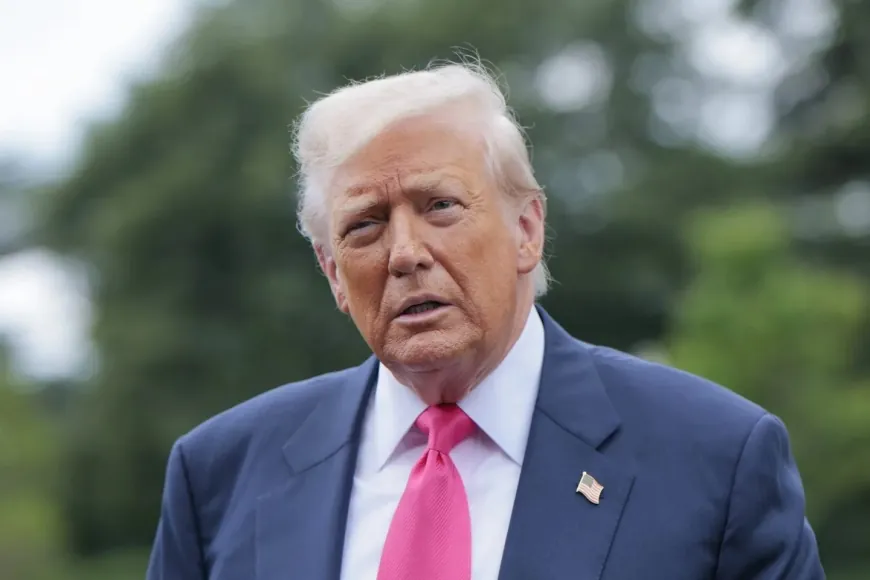
President Donald Trump has said his tariff policy will allow the federal government to pay U.S. citizens $2,000 each year while also reducing national debt. He made the remarks during a cabinet meeting on Tuesday, saying that tariff income is high enough to support both goals.
Trump told officials that tariff collections will grow as more imports are subject to higher fees, describing federal debt as small compared with the revenue he expects. He also repeated his ongoing statement that income tax could eventually be removed entirely.
Customs revenue data shows tariffs are generating more money than during any previous administration. The U.S. collected $31.4 billion in October alone — the highest monthly figure ever recorded. Total collections this fiscal year reached $195.9 billion by August and are expected to pass $300 billion within the year.
Even with those gains, tariffs represent only a fraction of federal finances. The national debt sits above $35 trillion and continues to rise because of entitlement costs, defense spending, and other mandatory obligations. The government paid $1.22 trillion in interest on the debt last year. Interest alone is more than three times higher than tariff income.
Interest costs are also growing rapidly. In the first months of fiscal 2026, the Treasury has already paid more than $100 billion in interest as higher rates remain in effect.
Economists and fiscal analysts say the gap between federal spending and tariff revenue is too wide for the policy to support both a debt reduction plan and direct payments to citizens.
Revenue Projections Have Been Reduced
The Congressional Budget Office recently reviewed projected tariff revenue and lowered its long-term estimate. The agency now expects tariff policies to lower deficits by about $3 trillion over the next decade. Earlier projections had suggested a reduction of $4 trillion.
The change followed updated import data and modified tariff rules. According to the CBO, increased duties on select products were outweighed by lower charges across many others.
Cost of a Dividend Program
Trump has mentioned a public dividend multiple times when speaking about tariffs. He said the amount would be at least $2,000 per person each year. A population-wide program of that size would cost the federal government about $600 billion annually. That figure does not include administrative costs or eligibility limits.
Treasury Secretary Scott Bessent has said legislation would be required before any payments could begin. He has also linked the benefit to tax changes already proposed by the administration — including removing taxes on overtime pay, tips and Social Security income.
Nonpartisan budget analysts estimate that a yearly dividend of $2,000 could expand federal deficits by about $6 trillion over 10 years if paid directly from the Treasury.
Current Use of Tariff Revenue
Tariff payments are collected by U.S. Customs when imported goods enter the country and are deposited into the U.S. Treasury. These funds are applied to existing federal obligations already approved in the budget.
According to current Treasury accounting rules, tariff revenue contributes to:
- Total federal receipts recorded in the general fund
- Ongoing spending authorized in the current budget cycle
- Repayment of Treasury borrowing obligations as they come due
- Refund payments when tariff charges are legally contested and reversed
Any program that distributes tariff revenue directly to citizens would require Congress to pass a law that assigns those funds to a new budget category.
Tariff Collections and Pricing
Tariffs are paid to U.S. Customs by importers when goods enter the country. Treasury records list these payments as federal revenue. Financial reports from retailers and manufacturers show higher import costs for products affected by tariff rates, and pricing changes have appeared in items with high dependence on foreign supply. These changes are documented in recent trade and retail data.
Budget Requirements Still Not Defined
The administration has not released a plan showing how tariff income would be routed through the federal budget. Any public payment program would require specific authorization from Congress, including the funding source and distribution method. The Treasury has not issued guidance explaining how tariff collections could be applied to both debt obligations and direct payments at the same time.
Also Read: Trump’s $2,000 ‘Dividend’ May Arrive Through Tax Relief, Says Treasury Chief Bessent