XRP ETFs Reach Nearly $1 Billion in Early Asset Growth
New U.S. ETFs tied to XRP have gathered close to $1 billion in assets within weeks of launch, offering investors regulated access to the cryptocurrency.
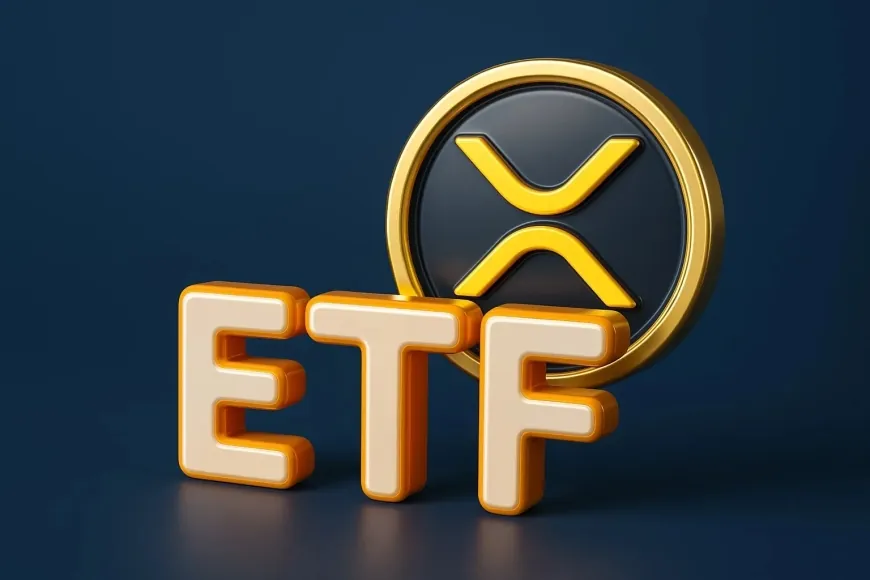
New exchange-traded funds holding XRP have gathered almost $1 billion in assets within the first weeks of U.S. trading. Fund filings through Dec. 4 show five ETFs together hold about $985 million worth of the cryptocurrency. Their arrival gives investors a way to gain XRP exposure in regular brokerage accounts — without opening crypto wallets or using trading platforms that hold customer assets offshore.
XRP has been in the spotlight since a federal court ruled in July 2023 that secondary market sales of the token are not securities. That decision cleared the path for companies to seek product approvals tied to the asset. The first ETF launched on Oct. 29, followed by several competitors over the next month. Canary’s ETF has become the largest so far, reporting over $350 million in holdings within a short period. More issuers have funds pending with regulators.
With a market value around $130 billion at current prices, XRP ranks among the largest digital assets. The portion now inside ETFs is small relative to supply, so the shift has not changed market pricing in a noticeable way. What has changed is who controls a growing share of XRP. Rather than moving in and out of trading venues at high frequency, the coins backing ETF shares are stored in institutional custody accounts until clients sell those shares.
That storage approach reduces the amount of XRP that is available for short-term speculation. How meaningful that becomes depends on whether the funds continue to grow. If they do, ETFs will hold a larger share of the asset outside day-to-day trading, while at the same time opening the door to investors who previously stayed away from crypto custody risk.
XRP is used in some cross-border transaction solutions promoted by Ripple, and software developers have continued to introduce new applications for the XRP Ledger, including tokenized financial assets. Wider availability of regulated investment vehicles could eventually connect these two sides — usage in financial infrastructure and ownership through traditional markets — but for now the change is primarily about access.
The early response suggests there was pent-up interest from investors waiting for a regulated path to participate. That demand reduces reliance on crypto exchanges and marks a shift toward the types of investment structures already common in other asset classes.
Also Read: Bitcoin, Ethereum & XRP Gain After Major Short Liquidations
What's Your Reaction?
 Like
0
Like
0
 Dislike
0
Dislike
0
 Love
0
Love
0
 Funny
0
Funny
0
 Wow
0
Wow
0
 Sad
0
Sad
0
 Angry
0
Angry
0

Curated by iShook Opinion and guided by Founder and CEO Beni E Rachmanov. Dive into valuable financial insights at ishookfinance.com for expert articles and latest news on finance.














Comments (0)