Dollar Pares Jobs-Report Gains, Kiwi Jumps 1.2% After Election as Japan Reveals Record ¥7.98 Trillion Intervention
The dollar index slipped to about 101.87 on Nov. 9, the kiwi rose 1.2% after New Zealand's election, and Japan disclosed a record 7.98 trillion yen intervention.
The U.S. dollar gave back part of Friday's sharp jobs-driven rally on Monday, Nov. 9, 2026, as falling oil prices and a rebound in global stocks reduced demand for the currency. The New Zealand dollar led gains among major currencies after a weekend election, while the yen firmed on the same day Japan disclosed the largest single-day currency intervention in its history.
Dollar eases from post-payrolls jump
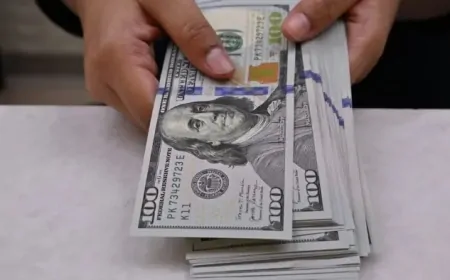
The U.S. dollar index, which tracks the greenback against six major currencies, slipped 0.3% to 101.87, CNBC reported, citing Reuters. On Friday the dollar rallied almost 0.8%, its largest gain in nearly six months, after data showed U.S. employers added 165,000 jobs in October and the unemployment rate fell to 4.1%. Investing.com put the index at 101.88, down 0.4%, retreating from a one-week high.
Monday's pullback came as Brent crude dropped more than 3% after President Donald Trump played down the chance of renewed strikes on Iran, easing some inflation concerns. ING FX strategist Francesco Pesole told Reuters that Friday's dollar move looked somewhat stretched relative to short-term drivers and that the rally would likely need a continued risk-off mood to hold, though he expected the economic backdrop to keep the dollar above last week's lows.
Euro, sterling and the yen
The euro rose 0.4% to $1.1188 after falling 0.7% on Friday, when it touched a low of $1.1132, according to CNBC. That was near the $1.1105 reached a week earlier, the euro's weakest level since May 2025. Sterling gained 0.5% to $1.3412.
The dollar fell 0.3% to 157.91 yen after jumping 0.6% on Friday. FXStreet said the pair was trading around 157.91 at the time of its report and noted that the Bank of Japan held its policy rate at 1.25% in October while signaling room for further increases. Societe Generale, in a note cited by FXStreet, said dollar-yen traded between 157.97 and 158.53 overnight and remained below its 200-day moving average of 158.68.
Japan reveals record intervention
Japan's Ministry of Finance said on Monday that it bought a record 7.98 trillion yen, about $50.4 billion, in the currency market on July 30 to support the yen, Kyodo News reported, citing quarterly intervention data. The July 30 operation was part of a series of yen-buying, dollar-selling interventions totaling 15.4 trillion yen on July 30, July 31 and Aug. 3. On July 31, Japan and the United States jointly intervened to buy yen for the first time in 28 years, with Japan spending the equivalent of 5.55 trillion yen.
The previous single-day record for yen-buying was 6.28 trillion yen, set on April 30, according to Kyodo. The interventions followed a slide in the yen to the upper 163 range per dollar in late July, its weakest level in 39 years and eight months. Kyodo said the yen briefly strengthened to the 152 range on Sept. 8 before weakening again, and has recently traded in the 158 range as the interest rate gap between Japan and the United States persists. The ministry's figures are also posted on its foreign exchange intervention page.
New Zealand dollar jumps after election
The New Zealand dollar rose 1.2% to $0.5611, CNBC reported, as traders weighed the weekend election. Brown Brothers Harriman analysts, in comments carried by FXStreet, said the kiwi was leading the Group of 10 currencies because the preliminary result reduces the risk that the Reserve Bank of New Zealand returns to a dual inflation-and-employment mandate. BBH said the governing center-right coalition led by the National Party holds a one-seat majority after the vote, with final results due on Nov. 27. The National-led coalition favors keeping the central bank's single price-stability mandate, in place since December 2023, while the Labour Party campaigned on restoring a dual mandate.
The Australian dollar rose 0.5% to $0.6895, according to CNBC.
Focus turns to U.S. inflation
Currency traders are now looking to Tuesday's U.S. consumer price index for October, which a Reuters poll cited by CNBC expects to show a 0.3% monthly increase. Futures implied about an 81% chance that the Federal Reserve will raise interest rates on Dec. 9, according to CME Group's FedWatch tool as cited by CNBC. Investing.com noted that a hotter-than-expected reading would likely strengthen the case for a December hike. The U.S. producer price index is due later in the week.
What's Your Reaction?
 Like
0
 Dislike
0
 Love
0
 Funny
0
 Wow
0
 Sad
0
 Angry
0

Curated by iShook Opinion and guided by Founder and CEO Beni E Rachmanov. Dive into valuable financial insights at ishookfinance.com for expert articles and latest news on finance.









Comments (0)